

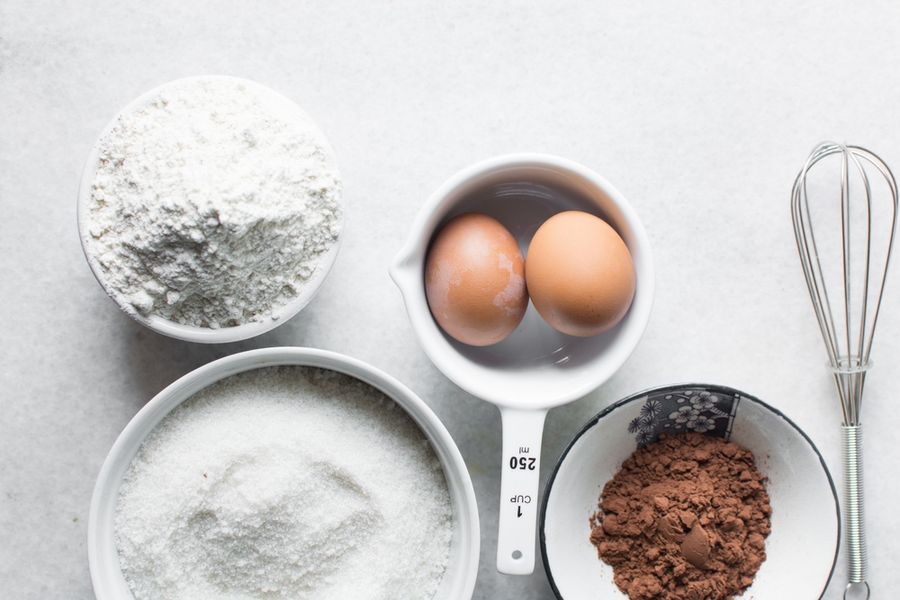
Running out of a key ingredient can derail cooking plans, but knowing smart substitutes keeps meals on track without sacrificing flavor. Many common items share similar textures, functions, or tastes, making them effective stand-ins when a recipe calls for something you don’t have. With a basic understanding of how ingredients behave, quick adjustments become simple and stress-free. Creative swaps not only rescue dinner but often introduce new flavors and techniques that enrich everyday cooking.
1. Milk → Plant Milk, Half-and-Half, or Water
Milk is one of the easiest ingredients to replace. Any unsweetened plant milk—almond, oat, soy, or coconut—can work in most recipes, from baking to savory dishes. If you need more richness, half-and-half mixed with water offers a similar result. In soups or sauces, even plain water supplemented with a small amount of butter can mimic milk’s body and help maintain the right texture.
2. Eggs → Flax Eggs, Applesauce, or Yogurt
Eggs provide structure and moisture in baking, but several swaps work well depending on the recipe. A flax egg —made from one tablespoon of ground flaxseed mixed with three tablespoons of water—creates a gel that binds ingredients effectively. Unsweetened applesauce adds moisture to cakes and muffins, while yogurt gives tenderness to quick breads. Each alternative offers its own subtle flavor and texture benefits.
3. Butter → Oil, Margarine, or Coconut Oil
Butter contributes richness, moisture, and flavor. In sautéing or stovetop cooking, most neutral oils (like canola or vegetable) are seamless replacements. In baking, use three-quarters the amount of oil as the butter called for, since oil contains no water. Coconut oil works well for desserts, especially those where a hint of coconut is welcome. Margarine also functions similarly to butter in many recipes, particularly cookies.
4. Brown Sugar → White Sugar + Molasses or Maple Syrup
Brown sugar is simply white sugar mixed with molasses, so recreating it at home is easy. Combine one cup of white sugar with one tablespoon of molasses for light brown sugar, or two tablespoons for dark. If you’re out of molasses, maple syrup or honey can replace brown sugar in many baked goods —just reduce other liquid slightly to maintain balance.
5. Buttermilk → Milk + Acid
Buttermilk adds tang and helps activate baking soda. Creating a substitute takes only a minute: add one tablespoon of white vinegar or lemon juice to a cup of milk and let it sit for a few minutes. The mixture will thicken slightly and develop the gentle acidity needed for pancakes, biscuits, and quick breads. Yogurt thinned with a little water also works beautifully.
6. Fresh Herbs → Dried Herbs or Herb Pastes
Fresh herbs brighten dishes, but dried herbs can step in when needed. Since dried herbs are more concentrated, use about one-third the amount. For sauces, soup bases, or marinades, refrigerated herb pastes offer convenient flavor without chopping. If substituting fresh for dried, use triple the amount. While the texture won’t be identical, the taste remains vibrant and satisfying.
7. Garlic → Garlic Powder, Granulated Garlic, or Shallots
Fresh garlic brings pungency and depth, but its pantry-friendly counterparts are reliable stand-ins. Use 1/4 teaspoon of garlic powder or 1/2 teaspoon of granulated garlic per clove. If you prefer fresh aromatics, finely minced shallots provide gentle sweetness and aromatic complexity. They soften quickly and blend easily into sauces, dressings, and sautés.
8. Lemon Juice → Vinegar or Another Citrus
When a recipe needs acidity, several options can step in for lemon juice. White wine vinegar, apple cider vinegar, or rice vinegar provide brightness with minimal flavor interference. Lime juice or orange juice works well when a citrus profile is important. Adjust quantities to taste; vinegar usually requires slightly less volume due to its stronger acidity.
9. Flour → Cornstarch, Almond Flour, or Oats
If you're short on all-purpose flour, alternatives depend on the dish. For thickening sauces, cornstarch is twice as powerful, so use half the amount. Almond flour can replace wheat flour in certain baked goods, though textures will be denser. Rolled oats blitzed in a blender become oat flour, a gentle and wholesome substitute perfect for pancakes, muffins, and quick breads.
10. Broth → Bouillon, Water + Seasoning, or Soy Sauce
Broth adds savory depth, but bouillon cubes and pastes are concentrated and easy to store. Dissolve according to package directions for instant broth. In a pinch, water enhanced with salt, pepper, and a splash of soy sauce or Worcestershire creates a layered umami flavor. Add onions, garlic, or herbs to boost complexity in soups and stews.
Final Thoughts
Ingredient swaps are a practical skill that empowers flexible, confident cooking. Understanding core functions—acidity, fat, moisture, or structure—helps ensure substitutions work seamlessly. With creativity and a few reliable stand-ins, you can adapt recipes effortlessly and keep meals enjoyable even when the pantry is running low.